.png?w=1024&h=259)
Why This Question Matters
If you’re considering a Pilates reformer for home use and feeling uncomfortable about the price, you’re not alone.
Many home buyers pause at the same question:
Is an expensive Pilates reformer actually better — or am I just paying for branding?
The short answer is: **sometimes yes, sometimes no**.
The long answer depends on how you plan to use it, how long you expect it to last, and what problems you want to avoid in the future.
This article gives you a clear, no-marketing breakdown.
---
What Does “Expensive” Mean for a Pilates Reformer?
For home users, pricing usually falls into three tiers:
* **Budget reformers:** $1,000–$2,000
* **Mid-range reformers:** $2,000–$3,500
* **Professional-grade reformers:** $4,000+
When people talk about an “expensive” reformer, they usually mean the third category.
But price alone doesn’t tell the full story.
What You’re Actually Paying for in a Higher-Priced Reformer
1. Frame Stability & Long-Term Safety
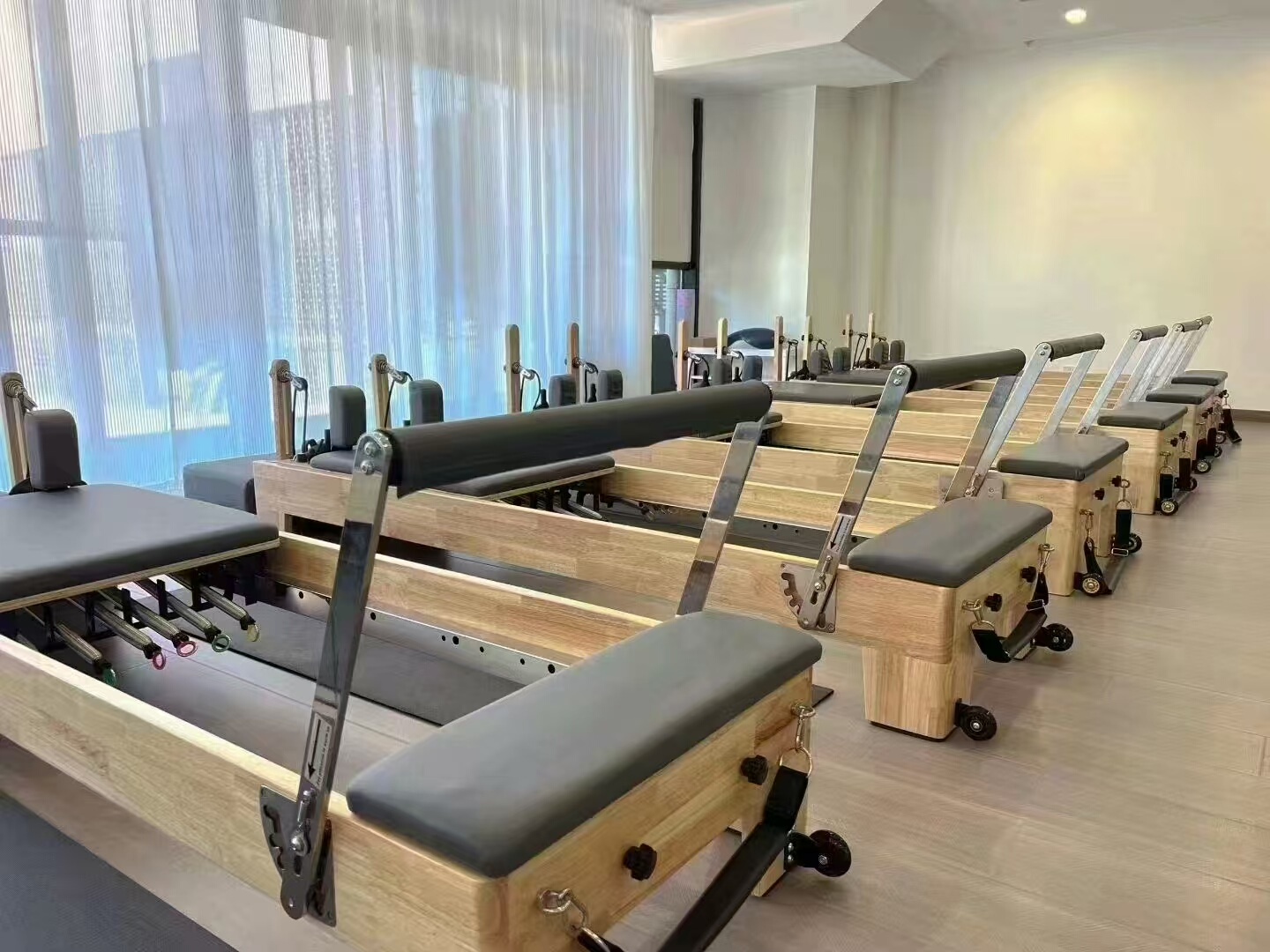
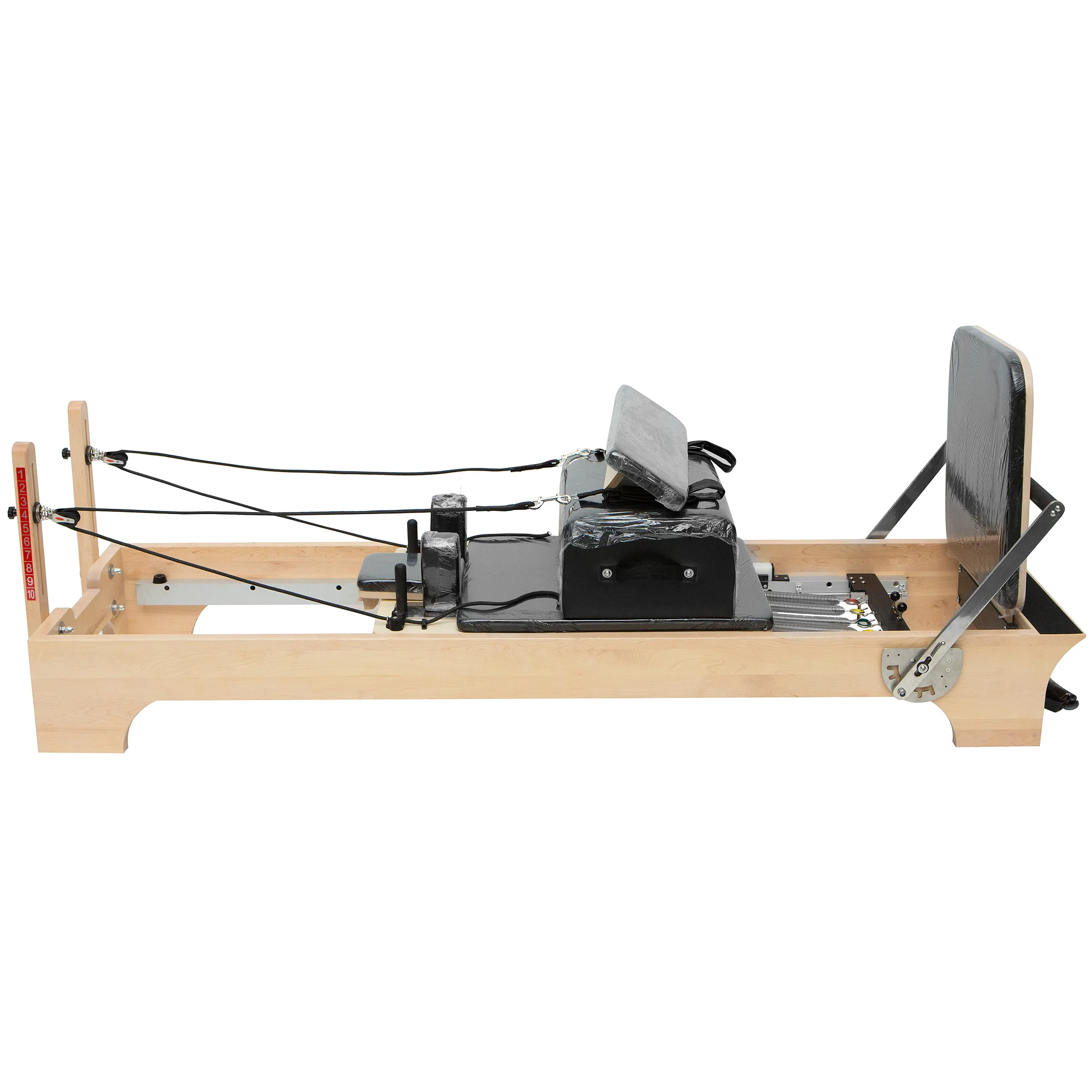
Professional-grade reformers use thicker frames, reinforced joints, and higher load tolerances.
This matters if:
* You plan to train frequently
* More than one person will use the machine
* You care about zero wobble under tension
Cheaper units often feel fine at first — until consistent use exposes flex, noise, or alignment issues.
---
2. Smoother Carriage & Resistance Precision
Higher-end reformers typically offer:
* More precise spring calibration
* Smoother carriage travel
* Less friction over time
These aren’t luxury features — they directly affect workout quality and joint safety.
---
3. Durability Over Years (Not Months)
An expensive reformer is designed for **years of use**, not just initial performance.
In many cases:
* Budget reformers last 2–4 years
* Professional reformers last 8–15+ years with basic maintenance
That changes the real cost dramatically.
---
When an Expensive Pilates Reformer *Is* Worth It
An expensive reformer makes sense if:
* You train 3–5 times per week
* You value long-term reliability over short-term savings
* You don’t want to replace equipment after a few years
* You care about studio-level performance at home
In these cases, the higher upfront cost often results in **lower cost per year of use**.
When It’s Probably NOT Worth It
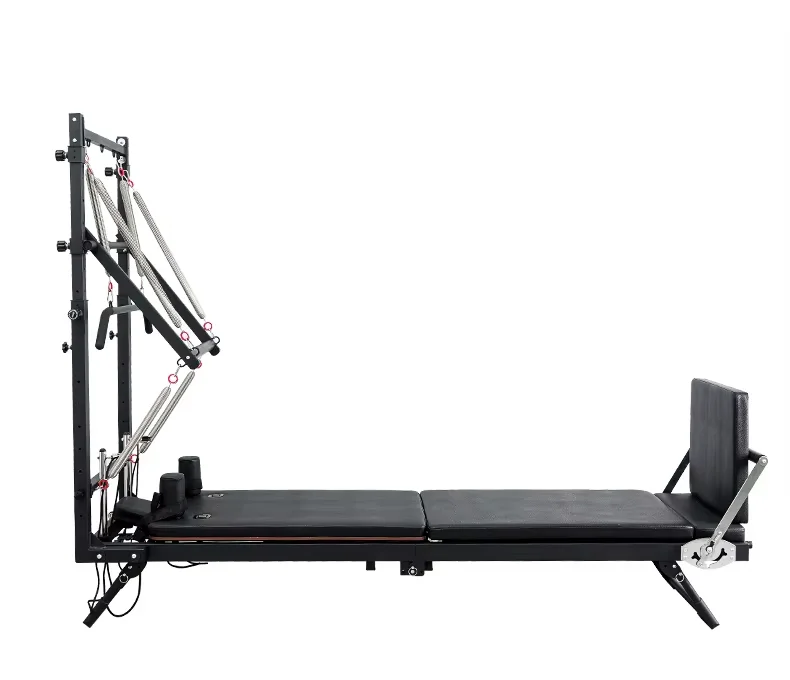
You may not need a high-end reformer if:
* You train occasionally
* You’re unsure whether Pilates will become a long-term habit
* Space limitations force compromises
* You prioritize portability over performance
In these cases, mid-range options often deliver better value.
---
The Real Risk of Buying Too Cheap
The biggest mistake home buyers make isn’t overspending — it’s **underestimating replacement cost**.
Common issues with low-cost reformers:
* Frame loosening
* Noisy carriage
* Limited replacement parts
* Reduced resale value
Replacing a cheap reformer once can cost more than buying the right one initially.
---
A Practical Rule to Decide
Ask yourself one question:
*Would I still be happy using this reformer five years from now?*
If the answer is no — price shouldn’t be the deciding factor.
---
Need Help Deciding If a Professional Reformer Is Right for You?
If you’re on the fence and don’t want to rely on guesswork, you can get a second opinion before buying.
We regularly help home users decide whether a professional-grade reformer actually fits their space, usage, and budget — without pressure.
**Contact:**
📧 Email: **[alecia@cigapilates.com]
💬 WhatsApp: **+1 502 547 6005**
---
## Bonus: Saving on a Professional Reformer
If you’ve already decided that a professional reformer makes sense, you can reduce the upfront cost.
**Use discount code: `SR15`**
*(Available for a limited time on selected models)*
This is typically more cost-effective than buying entry-level equipment twice.
---
Final Thoughts
An expensive Pilates reformer isn’t about luxury — it’s about **longevity, safety, and consistency**.
For serious home users, the question isn’t *“Is it expensive?”*
It’s *“Is it worth replacing later?”*