.png?w=1024&h=259)
Why Reformer Size Matters More Than Most People Think
A Pilates reformer isn’t a stationary object.
It requires **clearance space** — for movement, carriage travel, mounting, dismounting, and safe exercise execution.
The most common issue we see with home buyers is not budget or quality — it’s **misjudging space**.
Once a reformer arrives, returning or reselling it is expensive and inconvenient. That’s why size should be confirmed before you even compare brands.
Standard Pilates Reformer Dimensions (What Most People Don’t Tell You)
Most professional-grade reformers fall within this range:
* **Length:** 230–250 cm (90–98 in)
* **Width:** 60–75 cm (24–30 in)
* **Height:** 35–40 cm (14–16 in)
But these numbers alone are misleading.
The real space requirement includes:
* Full carriage travel
* Space to stand at the footbar
* Space to mount from the side
* Instructor or user movement around the machine
How Much Space Do You Actually Need?
Minimum Recommended Floor Space
* **Length:** Reformer length + 60–80 cm (24–32 in)
* **Width:** Reformer width + 60 cm (24 in)
Comfortable, Realistic Setup
* **Room length:** 300–320 cm (10–10.5 ft)
* **Room width:** 200–220 cm (6.5–7.2 ft)
Anything smaller will significantly limit exercise variety and safety.
Ceiling Height: The Hidden Problem
Many buyers focus only on floor dimensions and forget vertical clearance.
If you plan to use:
* Box exercises
* Kneeling or standing movements
* Jump board
* Tower or vertical attachments
You should have **at least 240–260 cm (8–8.5 ft)** ceiling height.
Lower ceilings don’t make a reformer unusable — but they **restrict progression**.
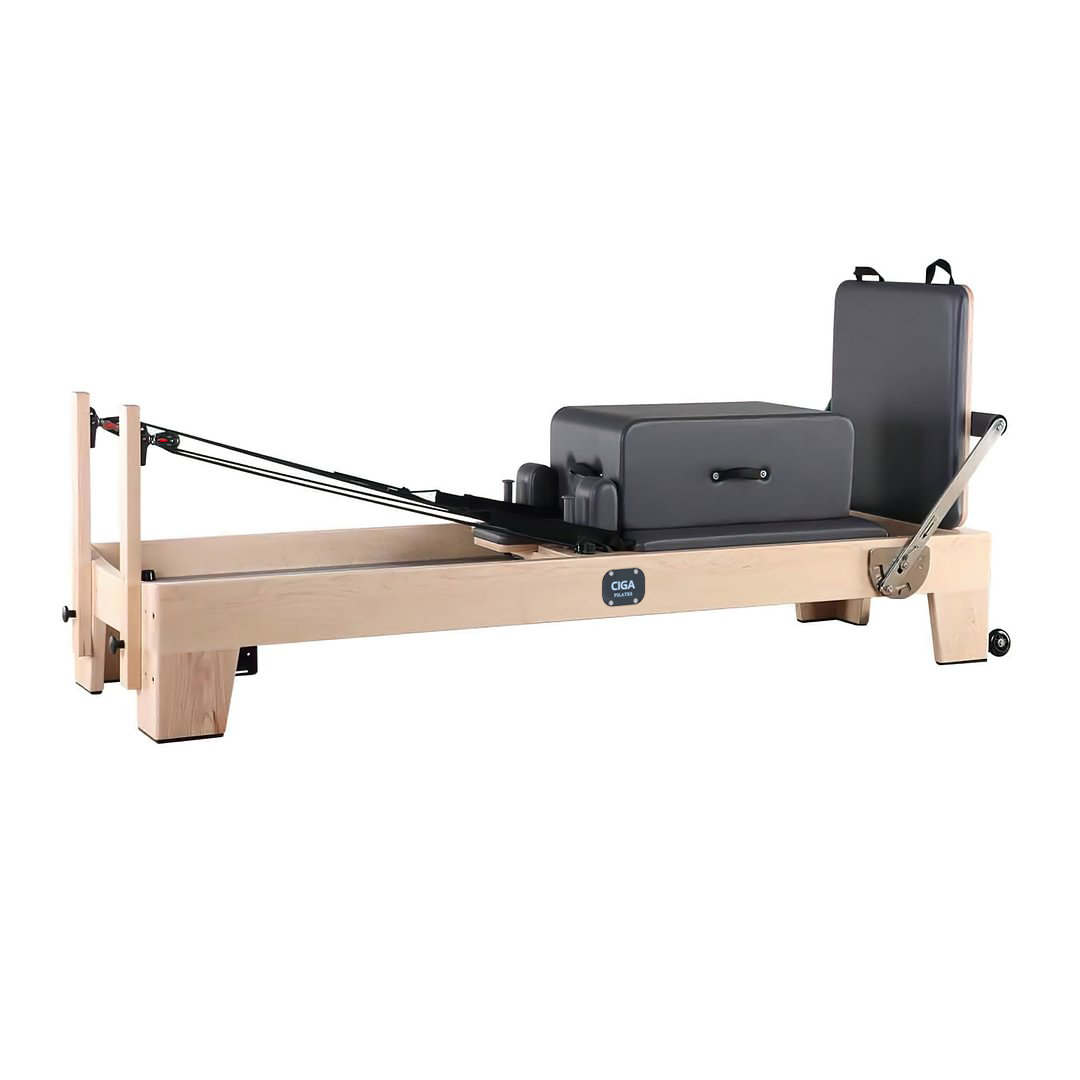
Full-Size vs Compact vs Folding Reformers
Full-Size Reformers
**Best if:**
* You have a dedicated workout room
* You want long-term progression
* You value stability and professional feel
**Not ideal if:**
* Your space is shared or frequently rearranged
Compact Reformers
**Best if:**
* Space is limited but permanent
* One main user
* No advanced attachments planned
Folding Reformers
**Best if:**
* Space must be cleared after each use
* Portability matters more than performance
**Trade-off:** Reduced stability, shorter carriage travel, fewer progression options.
The Most Common Size Mistake (And How to Avoid It)
**Mistake:** Measuring the room, not the usage space.
People measure wall-to-wall dimensions and forget:
* Door clearance
* Furniture
* Wall-mounted obstacles
* Exercise movement range
Correct approach:
1. Mark the reformer length on the floor
2. Add clearance zones
3. Simulate mounting and footbar use
4. Check ceiling height at the tallest movement point
If this feels excessive — that’s exactly why most people get it wrong.
Who Should NOT Buy a Full-Size Reformer Yet
You should reconsider if:
* Your space is under 260 cm (8.5 ft) long
* The reformer would block daily living paths
* You plan to move homes within a year
* Storage flexibility matters more than training depth
In these cases, waiting or choosing a compact option is smarter than forcing a professional model into the wrong space.
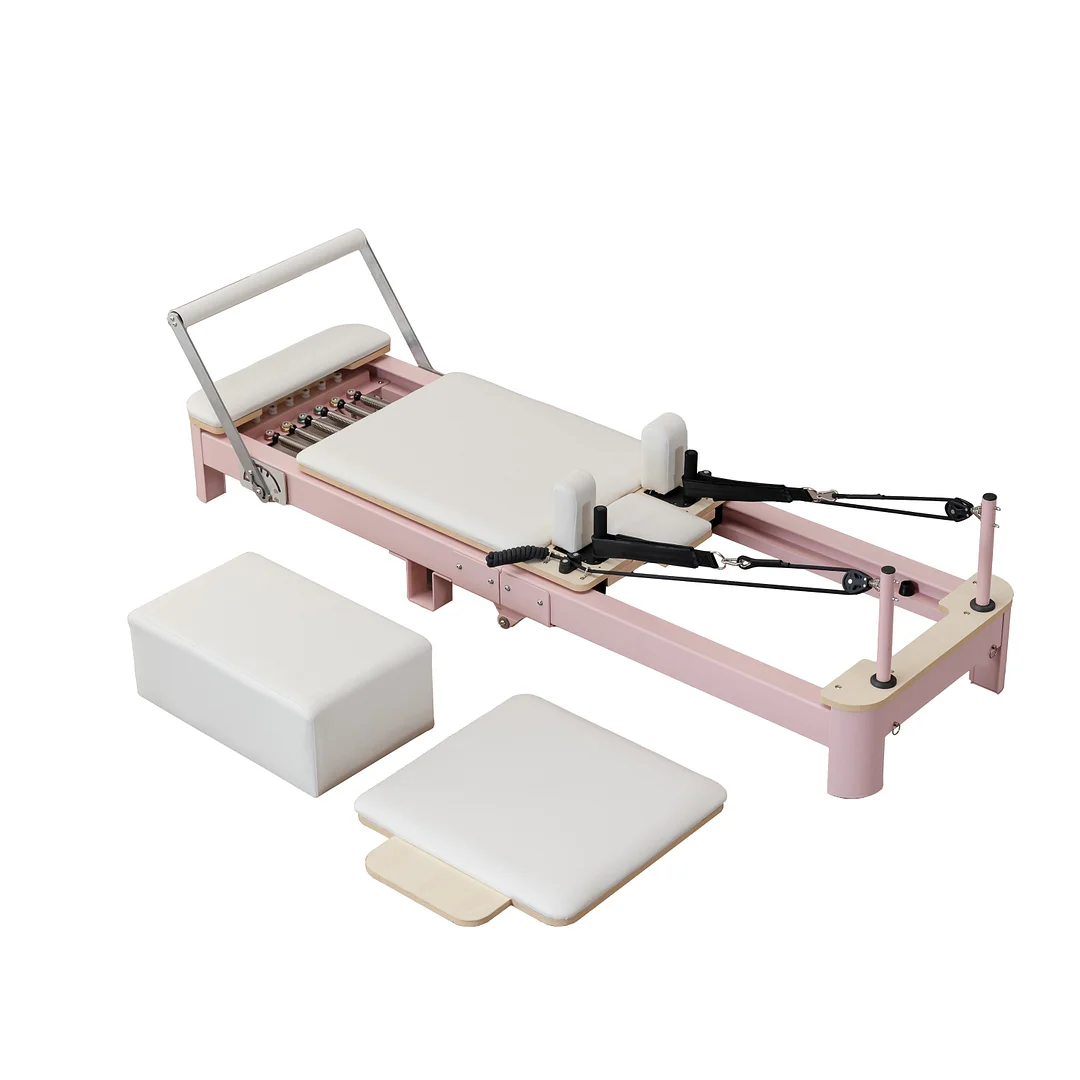
Final Checklist Before You Decide
Before buying, confirm:
* Floor dimensions with clearance
* Ceiling height
* Permanent vs shared space
* User height and movement needs
* Future upgrade plans (tower, box, jump board)
Size decisions are difficult to change later. Take the time now — it saves money and frustration.